Sep 29, 2026
After six years of drought in Central Oregon, Trudy Knieling of Knieling Farms replaced wheel lines with a linear pivot through an NRCS conservation program. With Sensoterra soil moisture sensors telling the family when to run it, the farm now uses more than 30% less water, and irrigation takes about half the work.
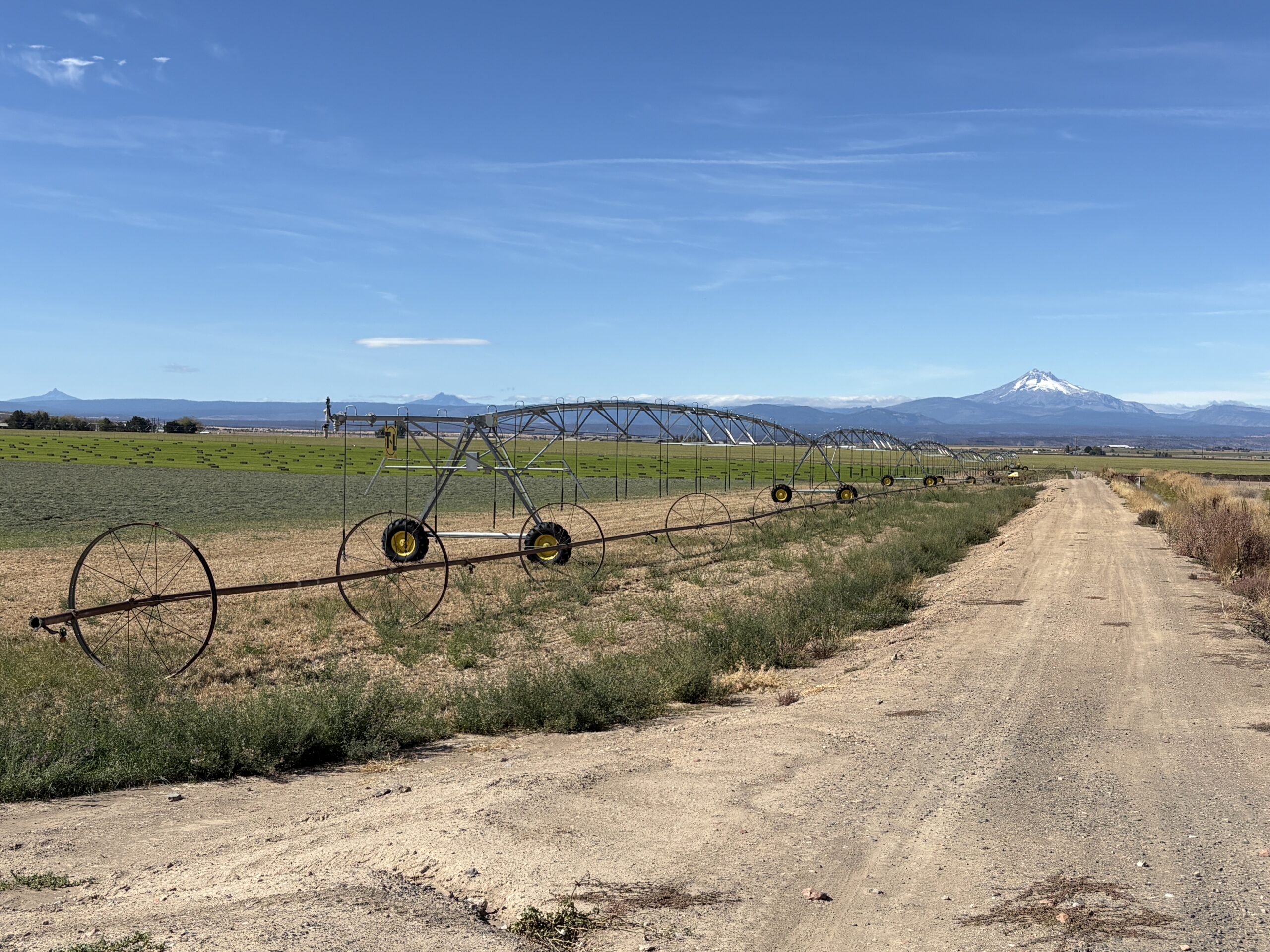
Farming through a six-year drought in Oregon
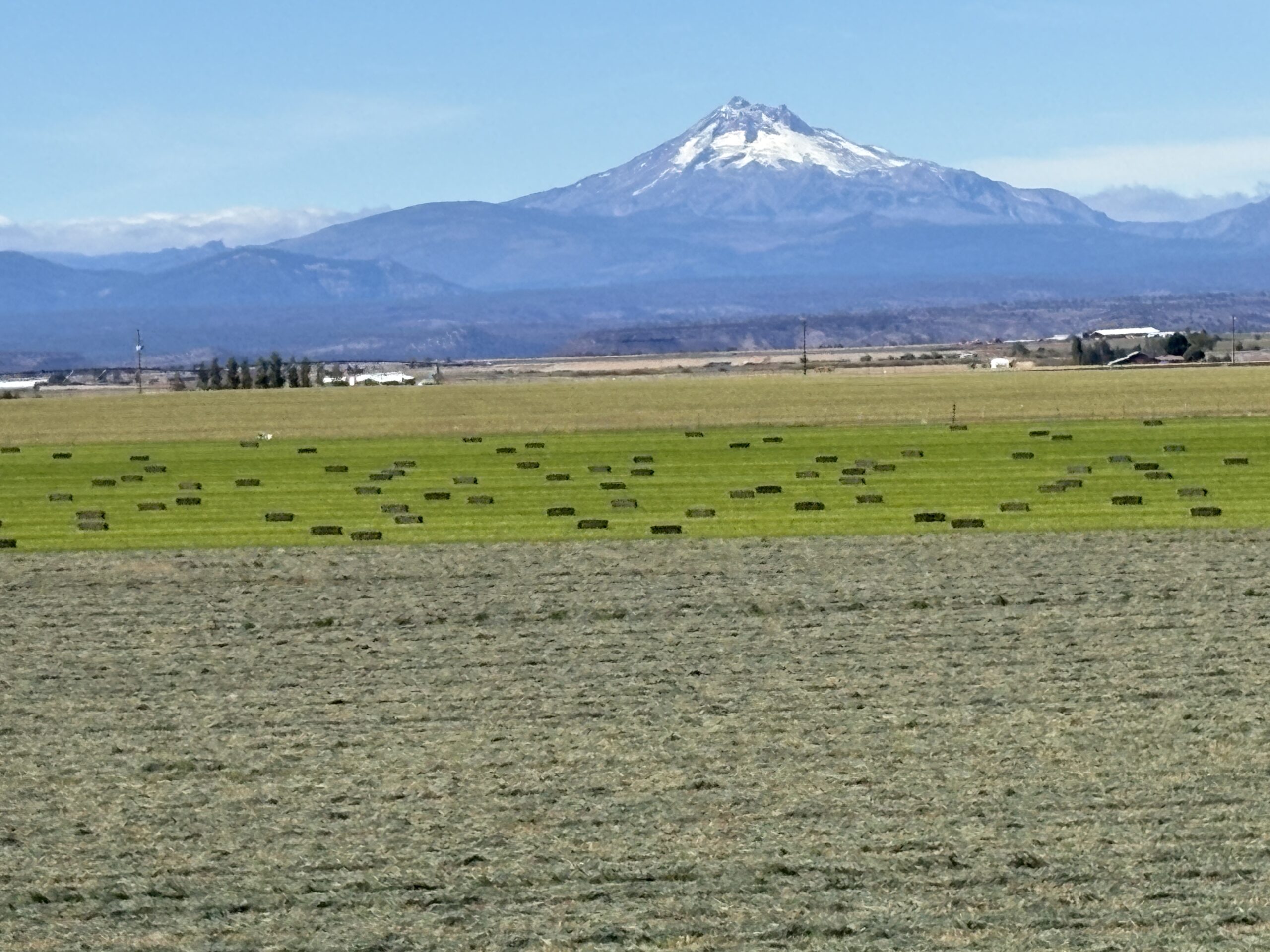
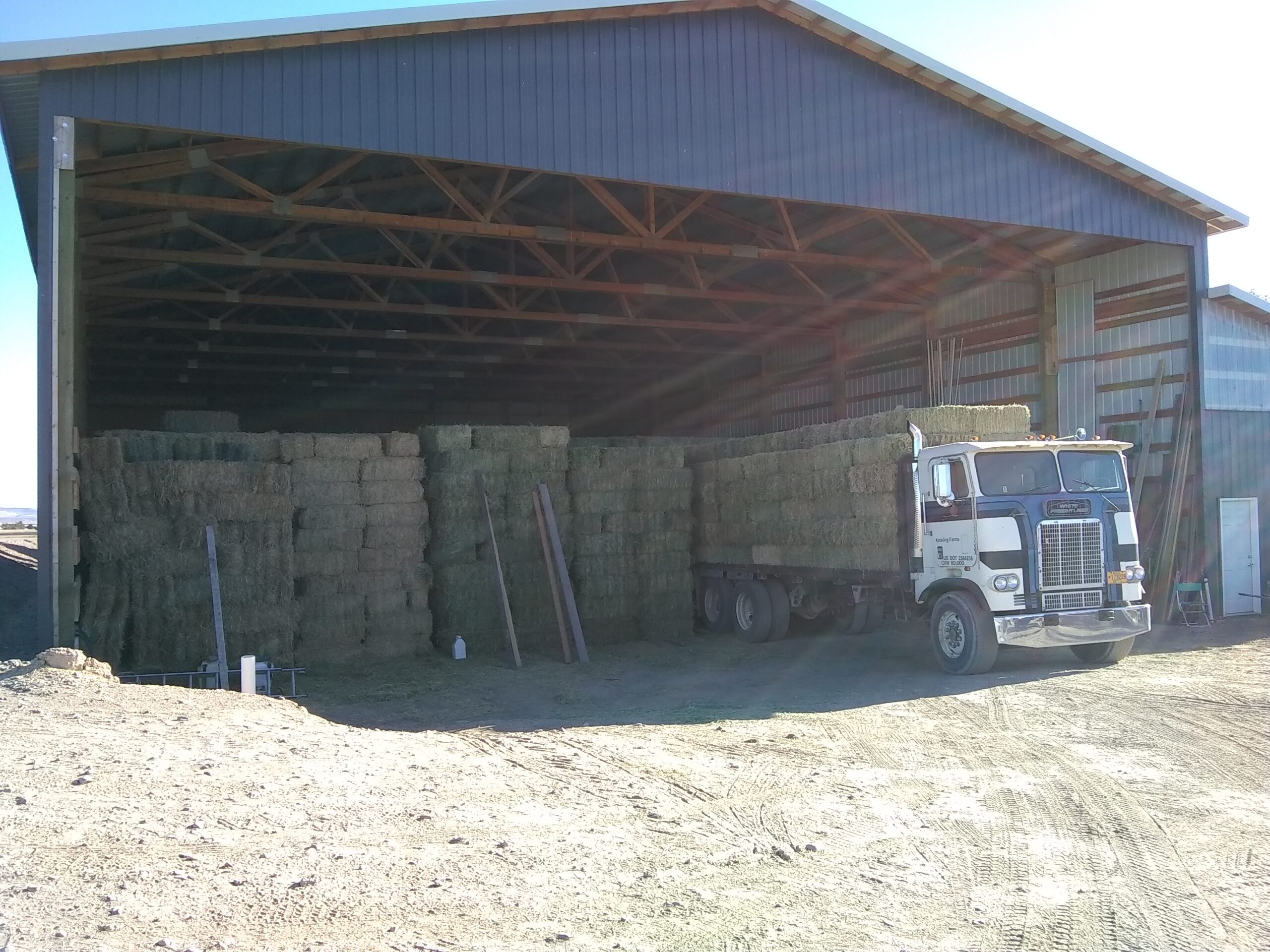
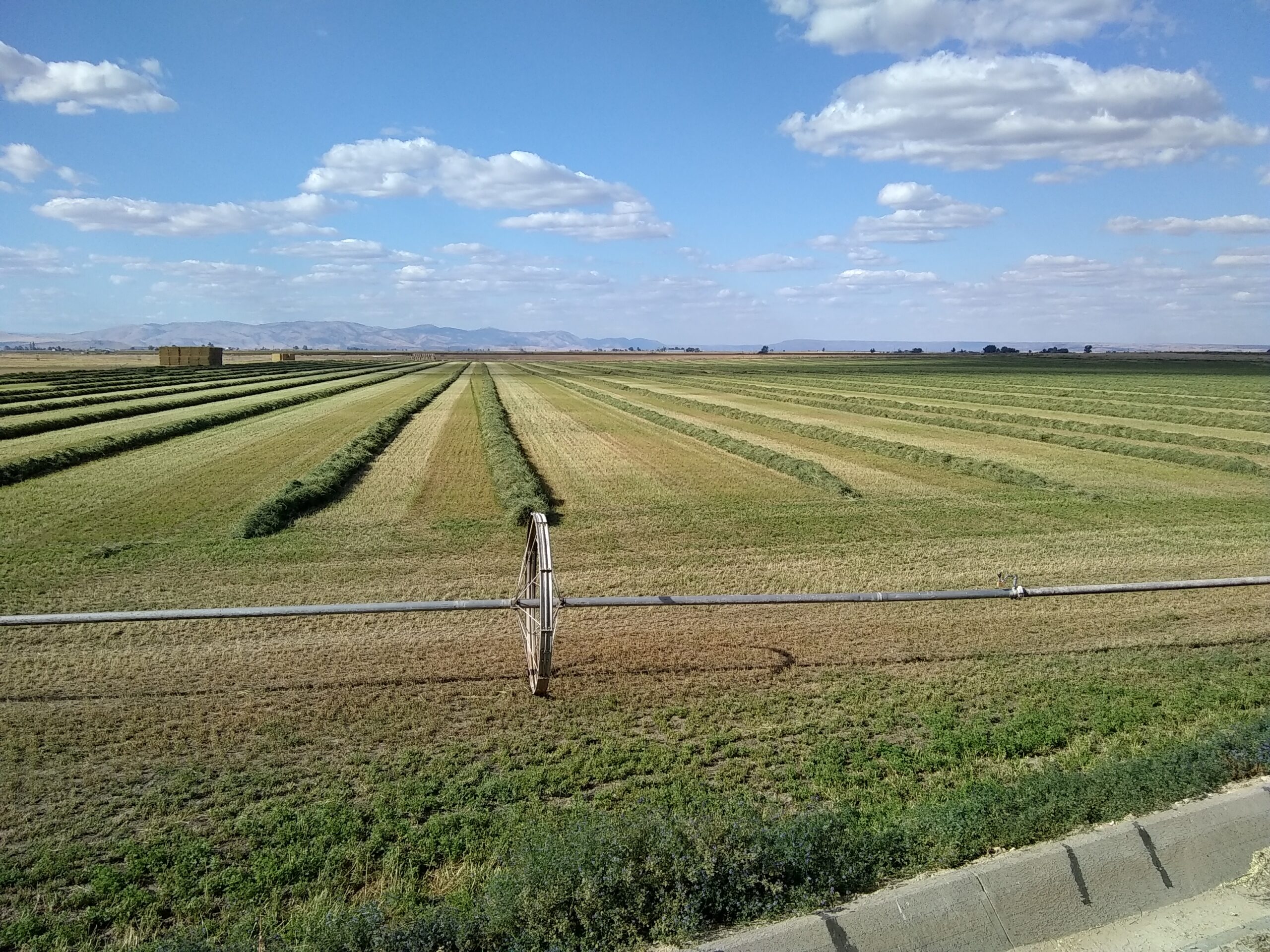
Trudy Knieling and her husband have farmed their whole lives, like several generations before them. In 2011 they moved from the west side of Oregon to Madras in Central Oregon, drawn by better soil. Today they farm 80 acres of grass hay and alfalfa, sold to the many horse and livestock owners in the area.
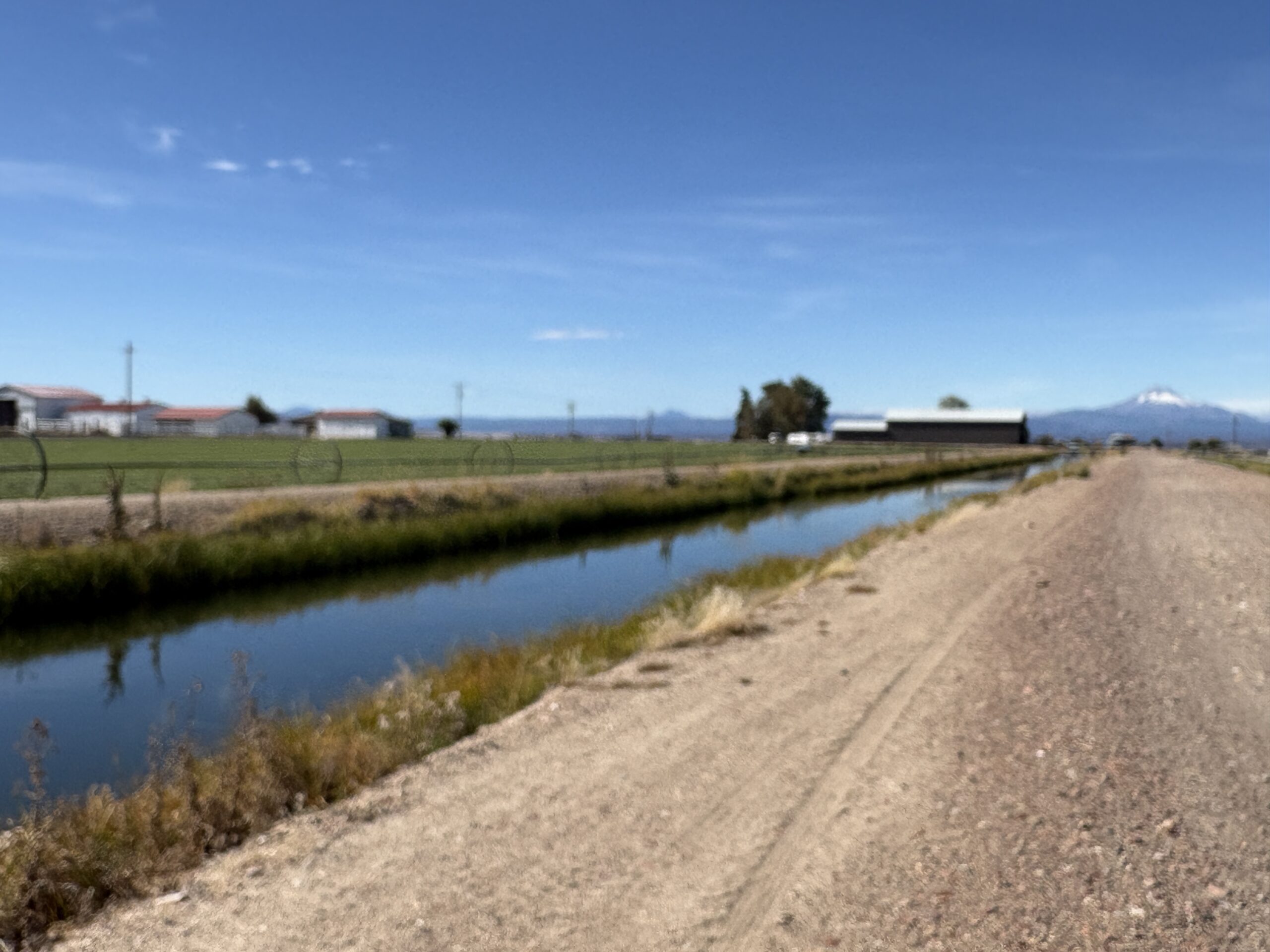
Knieling Farms does not pump from a well. Like its neighbors, it relies on mountain water from the snowpack, and each farm receives an allotment based on its acreage. There is no priority for farms that save water: everyone gets the same share per acre.
The region is now in its sixth year of drought, with little precipitation and less snow. The family does not yet know how much water next year will bring. Trudy worries it may be hard to keep the crops alive. Some farmers have stopped irrigating and sell their allotment to others, year by year.
Before: irrigating by guesswork
The previous owners flood irrigated the land. The Knielings switched to wheel lines, which saved a lot of labor at the time. But wheel lines had a clear limit: it was hard to tell how much water actually reached the crop.
In the Central Oregon heat, that uncertainty showed quickly. "You can say, yes, we did water. And the next day it's starting to wilt," Trudy says.
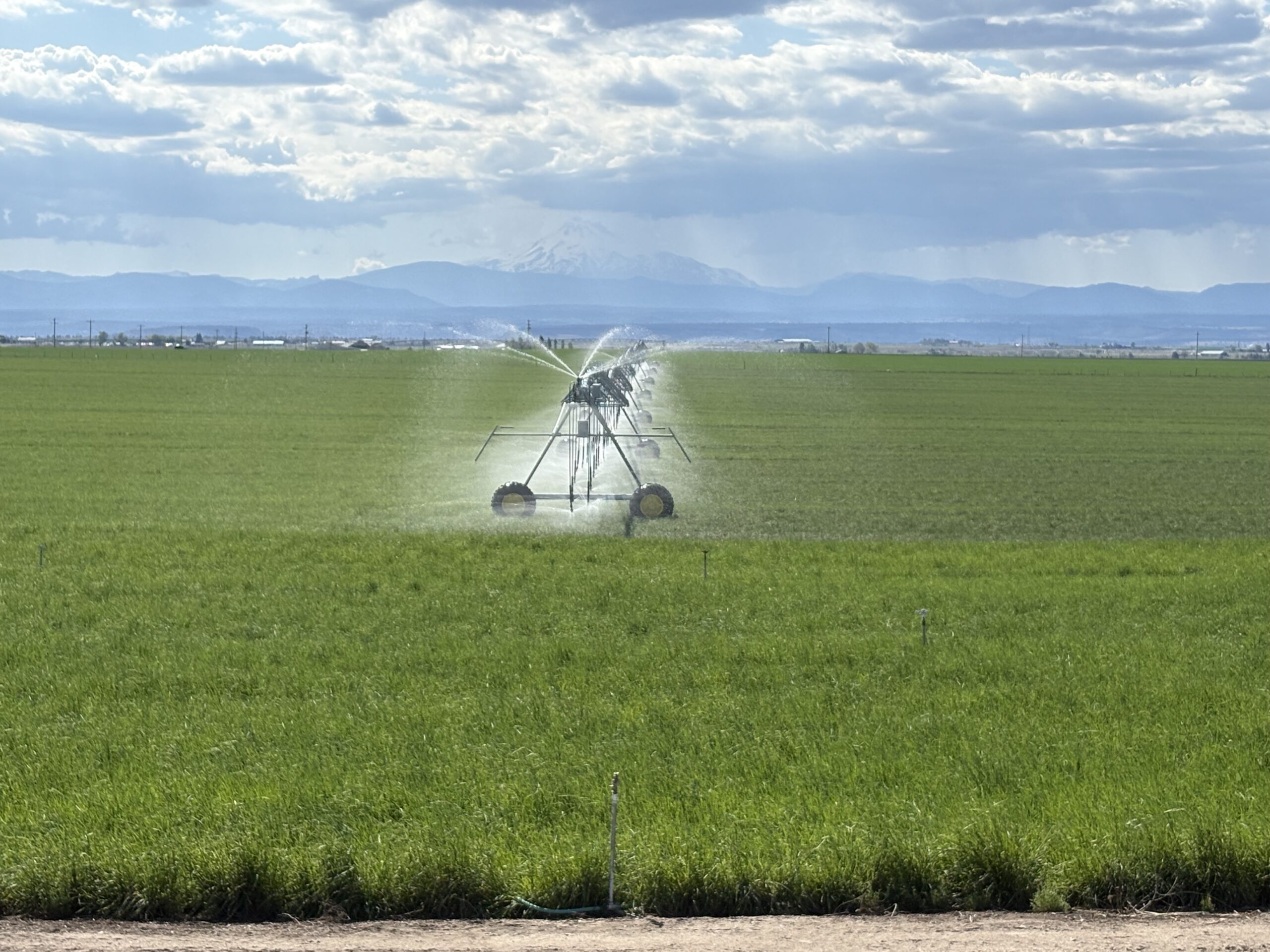
Linear pivot irrigation through an NRCS conservation program
Trudy found the answer in a conservation program from the Natural Resources Conservation Service (NRCS). She sat down with the program staff and learned how it worked. As a woman farmer, she qualified for additional incentives, and the government reimbursement could be up to 60-80% of the project cost.
It still took real persistence. Farmers pay the full cost upfront and are reimbursed the following year, once the work is finished and approved. "Most people can't just go out and buy approximately $100,000 and up in equipment," Trudy says. She compared suppliers and found an installer far less expensive than other local equipment companies. From start to finish, the project took about two years.
The new linear pivot runs on diesel, which spared the cost of bringing electricity down to the fields. It moves slowly across the field, applying an inch to an inch and a half of water, then turns around and comes back. "You just fire this thing up and you program it, how fast or how slow."
Soil moisture sensors: knowing when to irrigate
The pivot controls how much water goes on. Sensoterra tells the family when. Wireless Sensoterra soil moisture sensors at two locations in the field send their readings to the Sensoterra platform, where Trudy follows soil conditions in the app.
In the app, the family has set moisture set points that work for their soil and crop. They trigger irrigation a little ahead of time. "If we get down to 32% on our sensors, we know we could go down maybe to 28," Trudy explains. "But if we do that, the next day it could be in drought and stressed."
Finding those numbers took experience. "We've learned the hard way," she says. "You have to figure out what works for your crop." On 100-degree days the soil dries out much faster, so the family keeps checking the field against the data and fine-tunes the set points. The readings match what Trudy sees in the field. "The system is really good."
Results: how the farm saves 30% water
The even application of the linear pivot, timed by Sensoterra data, has cut the farm's water use by more than 30%. The figure is measured, not estimated:
Metered every day.
The local irrigation company reads the farm's water meter daily and logs its use, because farms may not exceed the acre-feet they ordered.
Tracked over years.
Trudy records every reading in her own Excel log. Comparing today with two years back shows the 30% saving.
Half the work.
"This linear saved us probably half the amount of work that we used to, because it runs itself," Trudy says. For a small family working day and night, that matters as much as the water.
Healthier crops.
"When you send that linear across, you can see the crop just getting better," she says. "It's growing faster, it doesn't have that wilty look, and it happens really fast."
Advice for farmers considering water-saving technology
Many farms around Madras are large, long-established outfits that have irrigated the same way for decades. Trudy understands the hesitation. The upfront cost is a real financial hardship, and many farmers don't know how much support they could get.
Her advice is to do the homework: learn what the programs offer, compare suppliers, and find what works for your own soil and crop. "There's a lot of science that goes into it," she says. With public funding, a pivot that applies water precisely and soil data that shows when to use it, Knieling Farms is getting more from every acre-foot.
About Sensoterra
Established in 2015 and headquartered in Enschede, the Netherlands, Sensoterra develops wireless soil moisture sensors and Sensoterra ForeGround, our own predictive field-level soil model, for agriculture, horticulture, smart city management, and water governance. Our global network includes over 12,000 moisture probes in the ground, generating data every day. Sensors are built to integrate into any platform with an API-first approach, and that same approach applies to ForeGround: its field-level data can be used directly in our own tools, or fed into your existing platform if you prefer.
Want to know when your own fields need water?
See how Sensoterra soil moisture sensors work or contact Maurits Krijnsen at [email protected] to plan a pilot.